Technical SEO Checklist for 2026
Last verified: 2026-09-20. AI platform behavior changes frequently — verify current details on the respective platform's site.
Technical SEO in 2026 requires crawlability for both Googlebot and AI crawlers, Core Web Vitals compliance (LCP under 2.5s, INP under 200ms, CLS under 0.1), comprehensive structured data, and content structured for AI extractability.
Key Takeaways
- Technical SEO in 2026 must serve both Googlebot and AI crawlers — a sound technical foundation is the prerequisite for SEO, AEO, and GEO.
- Core Web Vitals thresholds are LCP under 2.5s, INP under 200ms, and CLS under 0.1 — monitor and optimize all three.
- Structured data is non-negotiable: implement Organization, Service, FAQ, Breadcrumb, and Article schema across relevant pages.
- AI-readiness requires entity clarity, extractable content patterns, author expertise signals, and original data that AI engines cite.
- Review this checklist quarterly — search evolves and your technical SEO should evolve with it.
Why technical SEO matters more than ever
In 2026, technical SEO isn't just about Googlebot — it's about every engine that crawls your site, including AI models. A technically sound site is the prerequisite for SEO, AEO, and GEO. Here's a comprehensive checklist.
Crawlability
- ☐ Robots.txt is configured correctly and doesn't block important paths
- ☐ XML sitemap is submitted to Google Search Console and is up to date
- ☐ Crawl errors in GSC are resolved (404s, 5xx, soft 404s)
- ☐ Orphan pages are identified and linked or removed
- ☐ Crawl budget is optimized for large sites (faceted navigation, parameter handling)
- ☐ Internal linking is logical and all pages are reachable within 3 clicks
Indexation
- ☐ Canonical tags are self-referencing on all indexable pages
- ☐ Noindex directives are set on thin, duplicate, or low-value pages
- ☐ URL parameters are configured in GSC for sites with faceted navigation
- ☐ Pagination uses proper rel="next"/"prev" or is consolidated
- ☐ Hreflang tags are implemented for multi-language sites with return tags
- ☐ Indexation report in GSC shows no unexpected exclusions
Core Web Vitals
- ☐ LCP (Largest Contentful Paint) is under 2.5 seconds
- ☐ INP (Interaction to Next Paint) is under 200ms
- ☐ CLS (Cumulative Layout Shift) is under 0.1
- ☐ Images are optimized (WebP/AVIF, lazy loading, proper dimensions)
- ☐ JavaScript is not render-blocking critical content
- ☐ CSS is minified and non-critical styles are deferred
- ☐ CDN is configured for global delivery
Structured data
- ☐ Organization schema is implemented on the homepage
- ☐ Service/Product schema is on all commercial pages
- ☐ FAQ schema is on pages with Q&A content
- ☐ Breadcrumb schema is on all inner pages
- ☐ Article schema is on all blog posts
- ☐ Schema validates in Google's Rich Results Test
- ☐ No schema errors in GSC Enhancements reports
On-page elements
- ☐ Title tags are 50–60 characters and keyword-relevant
- ☐ Meta descriptions are 140–160 characters and persuasive
- ☐ H1 tags — one per page, keyword-relevant
- ☐ Heading hierarchy is logical (H1 → H2 → H3, no skipped levels)
- ☐ URL structure is clean, descriptive, and hyphenated
- ☐ Image alt text is descriptive and keyword-relevant
- ☐ Internal links use descriptive anchor text
AI-readiness (new for 2026)
- ☐ Entity clarity — your brand is a well-defined entity in schema
- ☐ Content is extractable — clear question-answer patterns where relevant
- ☐ Author expertise is signaled via author bios and schema
- ☐ Content depth — comprehensive coverage of topics, not thin pages
- ☐ Original data/research — content that AI engines would naturally cite
- ☐ Knowledge graph presence — brand is recognized in Google's Knowledge Graph
Security
- ☐ HTTPS is enforced with proper redirects from HTTP
- ☐ HSTS header is configured
- ☐ Mixed content is eliminated
- ☐ SSL certificate is valid and not expiring soon
Performance monitoring
- ☐ Google Search Console is set up and monitored weekly
- ☐ Google Analytics 4 is configured with key events
- ☐ PageSpeed Insights is checked monthly for key templates
- ☐ Rank tracking is in place for target keywords
- ☐ AI citation tracking is set up for target queries
This checklist is a living document. Search evolves, and so should your technical SEO. Review it quarterly and update as new requirements emerge.
Frequently Asked Questions
Technical SEO covers crawlability, indexation, site speed, Core Web Vitals, and structured data. In 2026, it matters for both traditional search and AI engines — if your site is not crawlable and well-structured, neither Google nor AI models can understand and cite your content.
LCP (Largest Contentful Paint) should be under 2.5 seconds, INP (Interaction to Next Paint) under 200ms, and CLS (Cumulative Layout Shift) under 0.1. Optimize images with WebP/AVIF and lazy loading, eliminate render-blocking JavaScript, and use a CDN for global delivery.
At minimum: Organization schema on the homepage, Service or Product schema on commercial pages, FAQ schema on Q&A pages, Breadcrumb schema on inner pages, and Article schema on blog posts. All schema should validate in Google Rich Results Test with no errors.
Ensure entity clarity through schema, make content extractable with clear question-answer patterns, signal author expertise via bios and schema, produce comprehensive content depth, and publish original data or research that AI engines would naturally cite.
Review your technical SEO quarterly at minimum. Search engines evolve and new requirements emerge. Monitor Google Search Console weekly, check PageSpeed Insights monthly, and update your checklist as new technical requirements arise.
Crawl budget is the number of pages Googlebot will crawl on your site within a given timeframe. Large sites with faceted navigation or URL parameters can waste crawl budget on duplicate or low-value pages. Optimize with proper robots.txt, canonical tags, and URL parameter handling.
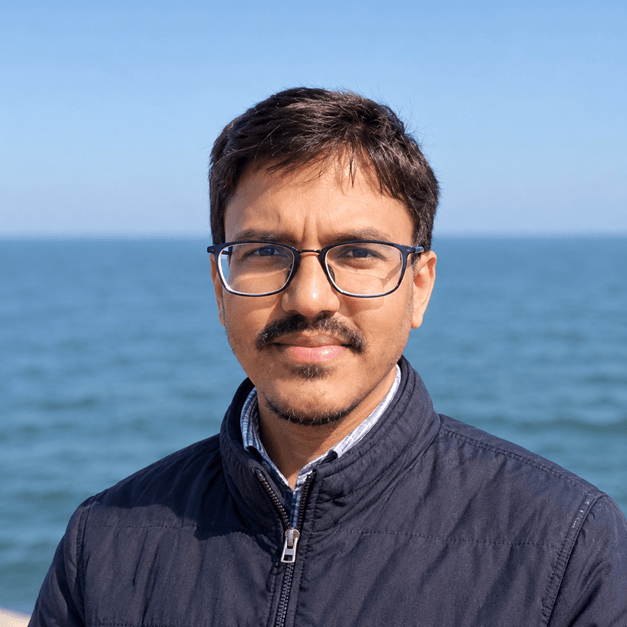
Izajul Haque
SEO, AEO & GEO consultant. I help businesses get discovered, understood, and cited across Google, AI Overviews, ChatGPT, and Perplexity. More about Izajul →
Try the related tools
Keep reading
Let's talk
Your next customer might not click a blue link — they'll ask an AI. Be the answer.
Book a free strategy call and I'll audit your visibility across Google, AI Overviews, ChatGPT, and Perplexity — then map out exactly what it takes to be found and cited.